Why VO₂ Max Testing Is Worth It (and Why It’s Not Just About the Number)
If you’re serious about your training, you probably want data that actually means something.
A VO₂ max test is one of the most useful tools available to athletes because it shows how your heart, lungs, muscles, and metabolism work together under load. Done properly, it cuts through guesswork, noise and algorithms and gives you clear, personalised information that you can act on – but the real value of the test is not just the headline number.
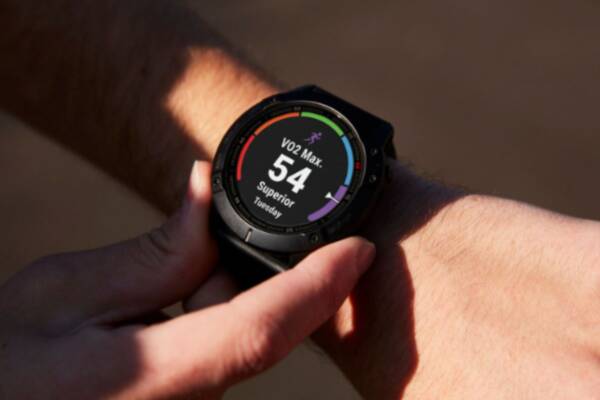
You cannot find out your VO2 max from your watch – this is simply guesswork based on an algorithm related to your heart rate, and sometimes GPS data.
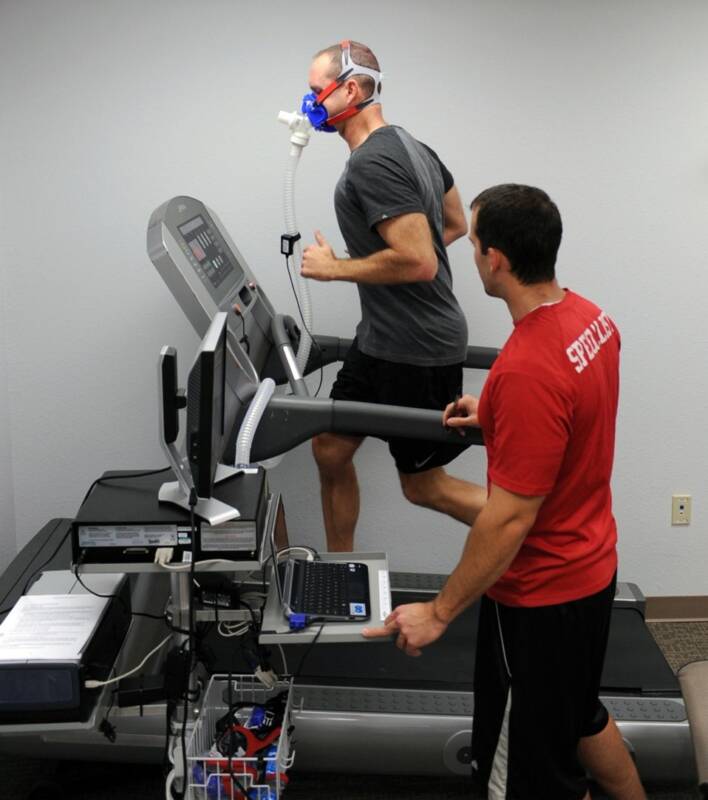
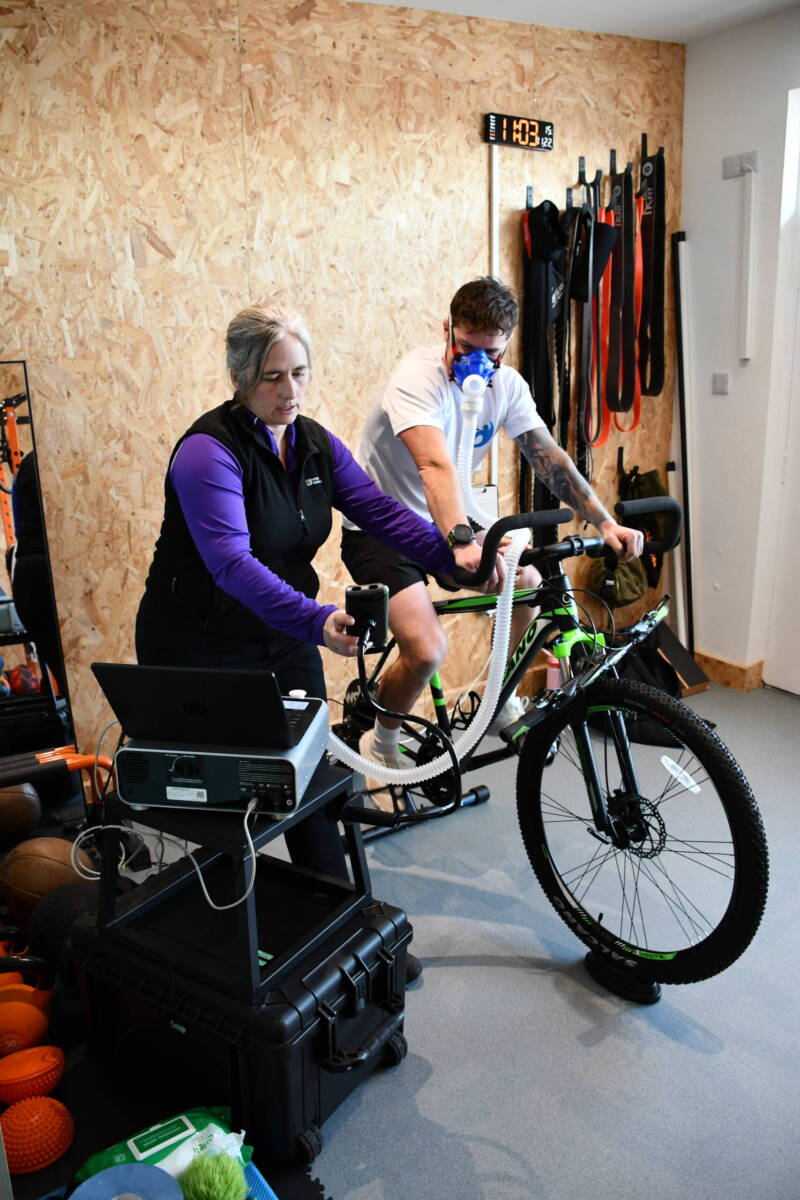
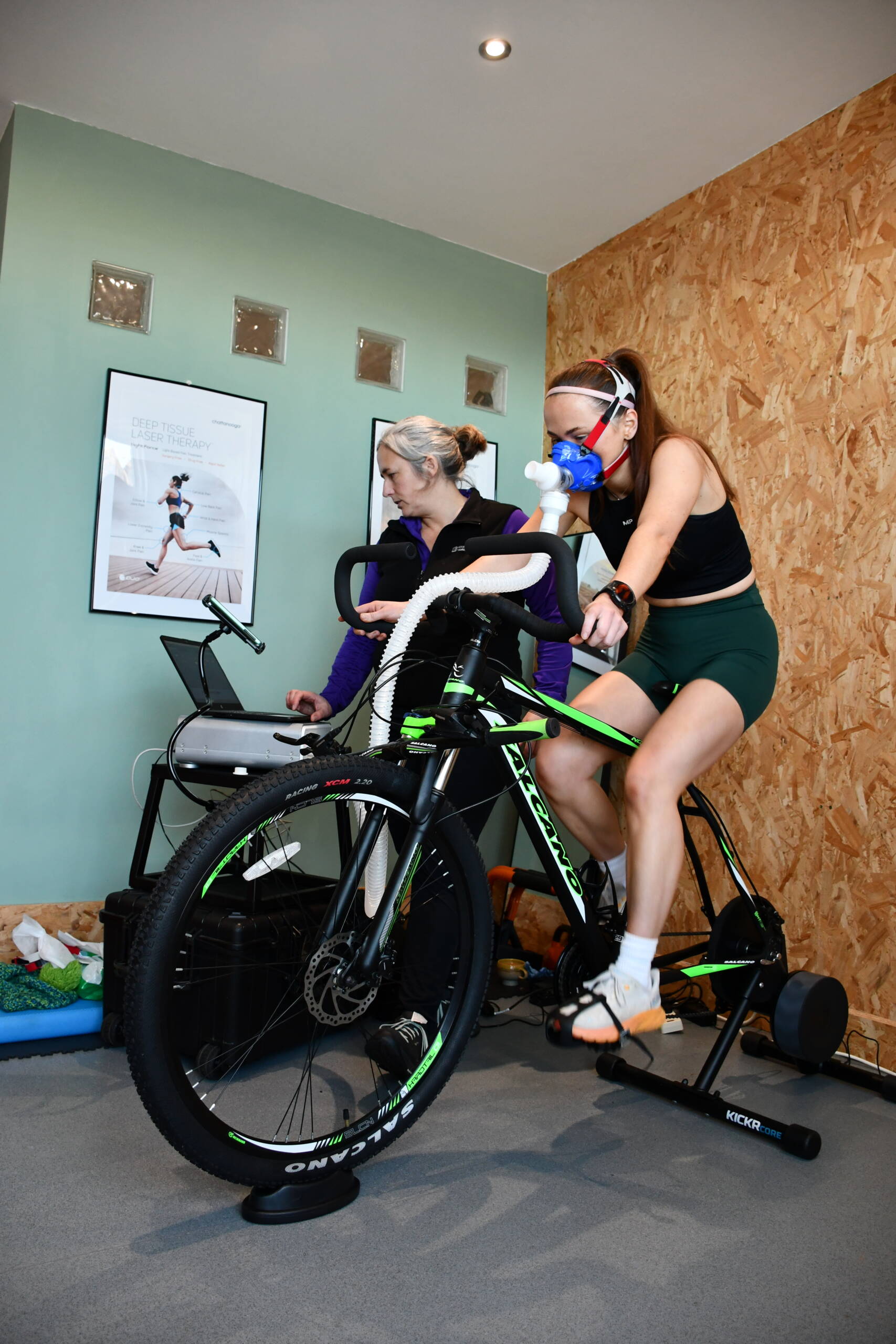
The ONLY way to find it out for sure is to MEASURE what you breathe out, which can ONLY be done by wearing a face mask attached to a special machine.
What a VO₂ Max Test Tells You
VO₂ max is the maximum rate at which you can use oxygen during intense exercise. Higher values are generally associated with better endurance performance, a bigger fitness engine, and health longevity.
A full test shows:
| How efficiently you use oxygen at different intensities |
| Where your aerobic and anaerobic thresholds sit |
| Your personalised, accurate training zones to maximise the efficiency and safety of your training |
| How your breathing, heart rate, and fuel use change as effort increases |
| What actually limits you (cardiovascular, respiratory, muscular, or metabolic) |
| How much carbohydrate and fat you personally burn at different exercise intensities |
Two athletes can have the same VO₂ max and very different performance profiles. The test explains why, so you can adapt your training to improve your performance.
The Power of Submaximal Data
You don’t have to be at maximal effort for the test to be valuable. In fact, much of the most useful information comes below max effort.
Submaximal data tells you:
- The pace or power you can sustain efficiently – use this to truly understand your pacing for races.
- How much fuel you need at race-relevant intensities
- Whether you’re burning mostly fat or carbohydrate at given workloads
- How hard “easy” training really is for your physiology – see the Zone 2 article
- Find out what is the main culprit driving any inefficiencies – is it your heart, the way you breathe, the fuel you put in, the way you ride or run, the strength of your muscles, an underlying health condition…?
Submaximal metrics are often more useful and actionable than VO₂ max itself. It’s where you do the majority of your training.
Training Zones Based on Physiology
Heart rate and pace zones based on age-predicted formulas are rough guesses. So are percentages of predicted VO2 max and FTP (functional threshold power).
VO₂ testing gives you measured thresholds, so your zones reflect your personal physiology, not population averages.
That means:
You can be confident that your training sessions are driving positive adaptations, not simply fatiguing or damaging your body.
Recovery sessions are more valuable.
You’re less likely to drift into the “no progress” zone that blunts progress and increases fatigue / risk of injury.
For athletes juggling training, work, family, busy lives, and recovery… this matters.
Why Repeat Testing Is So Useful
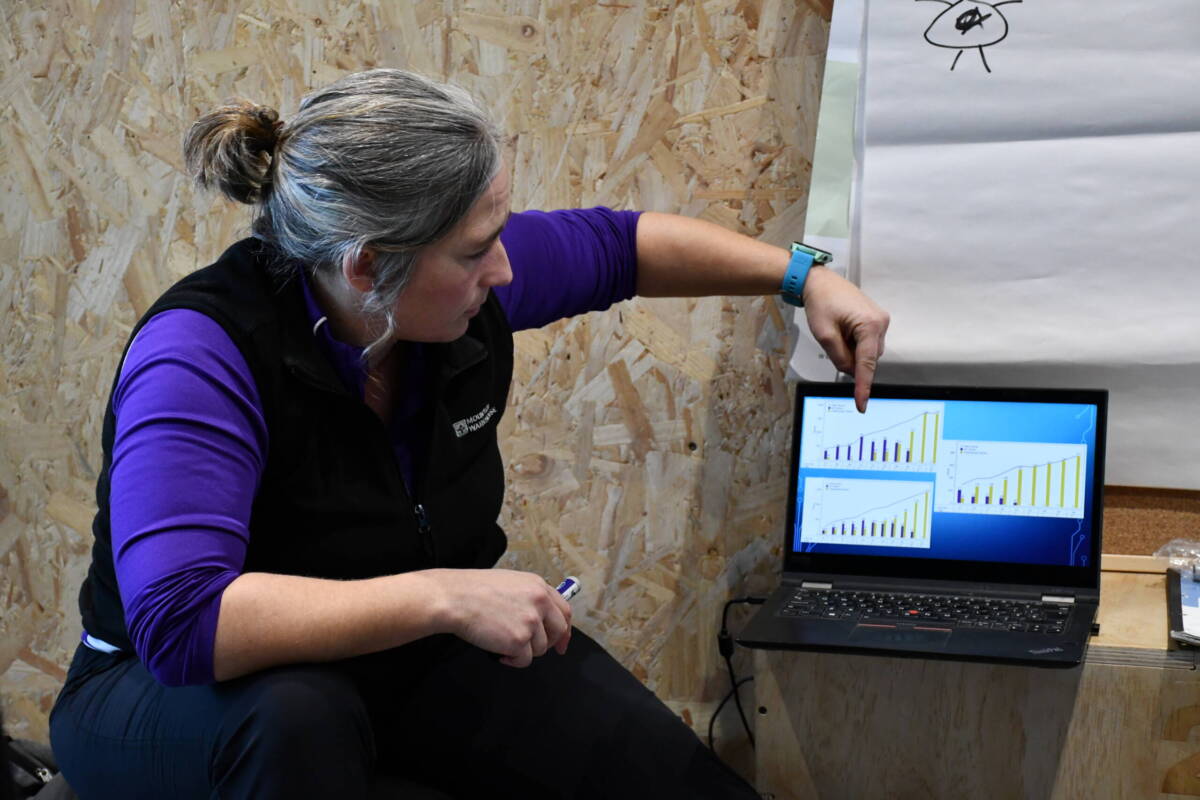
A single test is a snapshot. Repeat testing shows trajectory.
When you retest, you can see:
- Whether training has shifted your thresholds
- If efficiency has improved (doing more work for the same oxygen cost)
- Changes in fuel use and breathing economy
- Early signs of stagnation, overreaching, or under-recovery
Importantly, progress doesn’t always show up as a higher VO₂ max. Many athletes improve performance by becoming more efficient, not by pushing the ceiling higher. Repeat testing makes those gains visible.
Bottom Line
VO₂ max testing isn’t about chasing a number for bragging rights. It’s about understanding how your body responds to training, where your limits really are, and how to move them intelligently.
Used well, and repeated over time, it becomes one of the most practical tools an athlete can use to guide training, manage fatigue, and track meaningful progress.
You do not need to be fit to do a VO2 max and metabolic test.
This is a test that you cannot fail.